Healthcare Spending Trends 2026: Why Expenditures Will Rise 6%
Anúncios
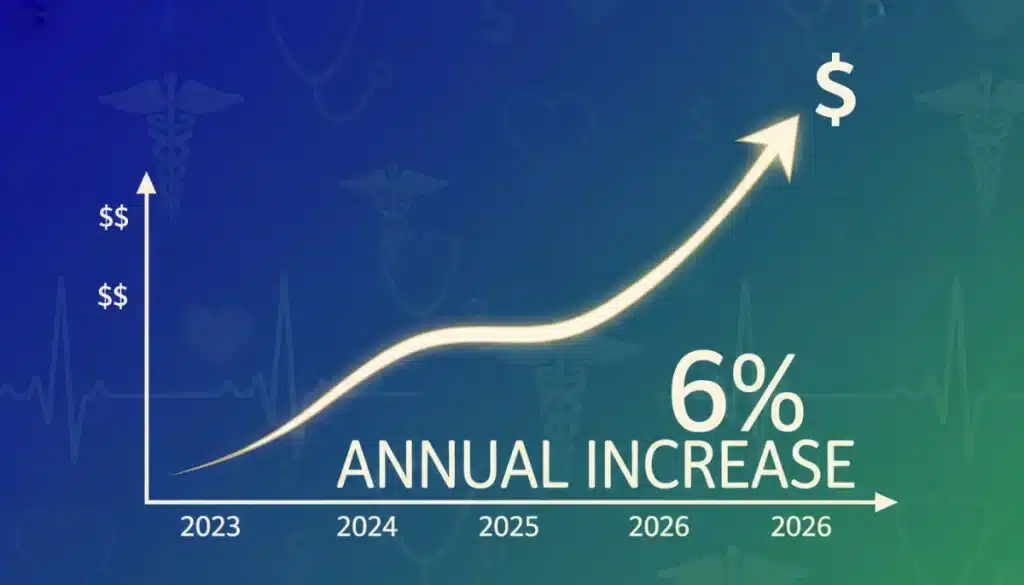
National healthcare expenditures in the US are projected to rise by 6% annually through 2026 due to factors like an aging population, chronic disease prevalence, technological advancements, and rising drug costs, significantly impacting both individuals and the economy.
Anúncios
The landscape of healthcare in the United States is constantly evolving, and understanding its financial trajectory is crucial for everyone, from policymakers to individual citizens. We are at a pivotal moment where projections indicate a significant uptick in national healthcare spending. This article delves into the core reasons why healthcare spending trends 2026 suggest an annual increase of 6%, exploring the multifaceted factors driving this rise and what it means for the future.
The relentless rise: Unpacking the 6% annual increase
Anúncios
The projected 6% annual increase in national healthcare expenditures through 2026 is not merely a number; it represents a complex interplay of demographic shifts, medical advancements, economic pressures, and policy decisions. This growth rate, consistently outpacing inflation and general economic growth, signals profound implications for the national budget, employer-sponsored plans, and individual out-of-pocket costs.
Understanding the root causes of this steady ascent is the first step toward addressing its impact. It’s a trend shaped by both supply-side factors, such as the cost of new treatments, and demand-side factors, including the increasing healthcare needs of a changing population. Each contributing element adds another layer to the financial burden and the structural challenges facing the US healthcare system.
Demographic shifts and an aging population
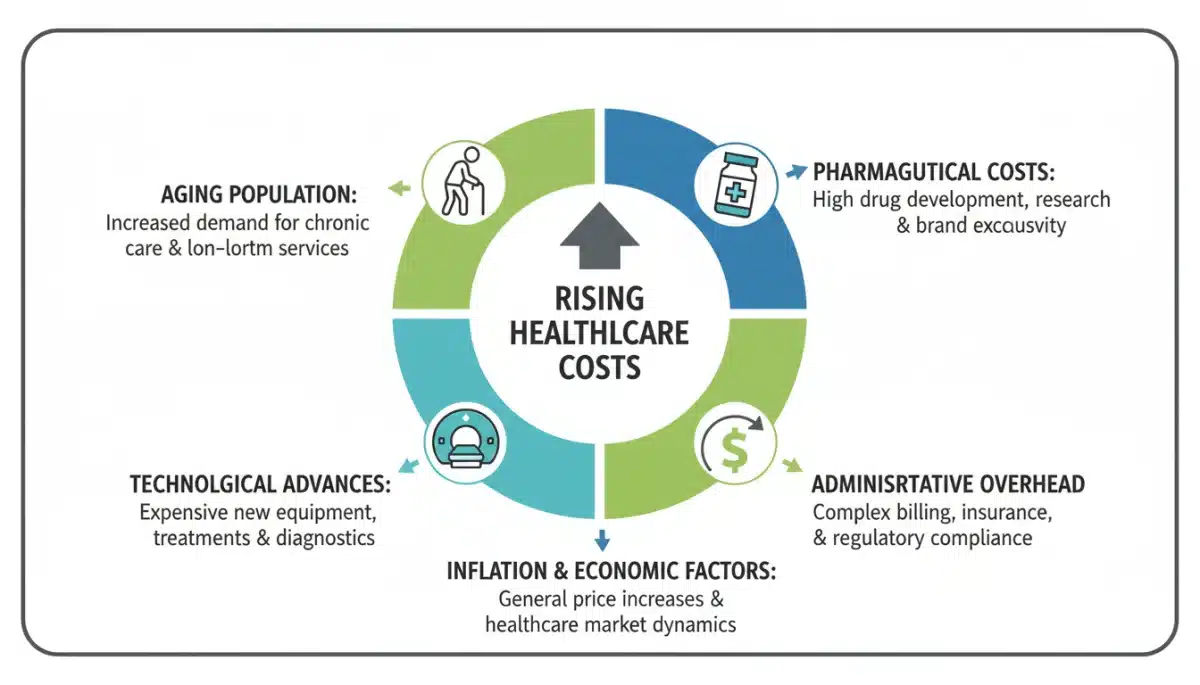
One of the most significant drivers of rising healthcare costs is the aging of the U.S. population. As baby boomers continue to enter their senior years, the demand for medical services, particularly those associated with chronic conditions and age-related illnesses, escalates dramatically. This demographic wave creates a sustained pressure on healthcare resources and spending.
- Increased utilization: Older adults typically require more frequent doctor visits, specialized care, and prescription medications.
- Chronic disease prevalence: The elderly population has a higher incidence of chronic diseases like heart disease, diabetes, and Alzheimer’s, which necessitate long-term and often expensive management.
- Longer life expectancies: While a testament to medical progress, living longer often means more years spent managing health conditions, further contributing to cumulative costs.
The demographic shift is a foundational element in understanding the overall increase. It’s not just about more people needing care, but about people needing more intensive and prolonged care as they age. This factor alone places immense strain on existing healthcare infrastructure and financing models, ensuring that healthcare spending trends will continue their upward trajectory.
Chronic conditions: A growing burden on the system
The prevalence of chronic diseases in the United States is a significant and escalating factor contributing to the projected 6% annual rise in healthcare expenditures. Conditions such as diabetes, heart disease, obesity, and respiratory illnesses require continuous management, often involving multiple specialists, ongoing medication, and frequent monitoring. These long-term health challenges represent a substantial portion of national healthcare spending.
Managing chronic conditions is not a one-time expense; it’s a lifelong commitment that accumulates costs over decades. The increasing rates of these diseases, often linked to lifestyle factors, further exacerbate the financial strain on the healthcare system and individual patients. Addressing this growing burden requires a multifaceted approach that includes prevention, early intervention, and effective disease management strategies.
The impact of lifestyle and societal factors
Modern lifestyles, characterized by sedentary habits and processed diets, play a crucial role in the rise of chronic conditions. These societal trends directly correlate with the increasing incidence of preventable diseases, which in turn drive up healthcare costs. Tackling these underlying causes is essential for long-term cost containment.
- Obesity epidemic: A primary driver of diabetes, heart disease, and certain cancers, significantly increasing healthcare utilization.
- Sedentary lifestyles: Contributes to cardiovascular issues and musculoskeletal problems, requiring medical intervention.
- Stress and mental health: Growing awareness and diagnosis of mental health conditions also add to the demand for services and associated costs.
The cumulative effect of chronic disease management, from routine check-ups to emergency interventions and long-term care, forms a substantial part of the projected spending increase. Without significant shifts in public health and individual behaviors, this category will remain a dominant force in shaping future healthcare spending trends.
Technological advancements and pharmaceutical innovations
While medical technology and pharmaceutical innovations offer life-saving treatments and improved quality of life, they are also major contributors to the escalating costs reflected in healthcare spending trends. Breakthroughs in diagnostics, surgical techniques, and drug therapies often come with a high price tag, impacting both initial acquisition and ongoing utilization. The drive for innovation, though beneficial, creates a continuous upward pressure on expenditures.
The development pipeline for new drugs and devices is robust, promising further advancements. However, the research and development costs, coupled with market exclusivity periods, allow manufacturers to set high prices. This dynamic ensures that as new treatments become available, overall healthcare spending will continue to climb, even as patient outcomes improve.
The cost of cutting-edge medicine
The introduction of advanced medical technologies, from robotic surgery to precision medicine, revolutionizes care but also significantly increases the capital investment required by healthcare providers. These technologies necessitate specialized training, maintenance, and often higher utilization costs, which are ultimately passed on through the healthcare system.
Similarly, novel pharmaceutical agents, especially those for rare diseases or advanced cancer treatments, can cost hundreds of thousands of dollars per patient per year. These high-cost drugs, while offering hope, place immense pressure on insurance formularies and patient affordability.
The constant influx of new, more effective, and often more expensive treatments ensures that technological and pharmaceutical advancements will remain a primary driver of the projected 6% annual increase in healthcare spending. Balancing innovation with affordability is a perpetual challenge in the healthcare sector.
Healthcare administration and operational inefficiencies
Beyond direct medical care, a significant portion of rising healthcare expenditures can be attributed to administrative complexities and operational inefficiencies within the U.S. healthcare system. The intricate web of billing, coding, insurance claims, and regulatory compliance creates substantial overheads that do not directly contribute to patient care but add considerably to the total cost. This administrative burden is a unique characteristic of the American system, often cited as a major area for potential savings.
These inefficiencies are not merely minor inconveniences; they represent billions of dollars annually that could otherwise be allocated to direct patient services, preventative care, or reducing patient costs. Streamlining these processes is a critical, albeit challenging, endeavor that could significantly impact future healthcare spending trends. The fragmented nature of the system, with multiple payers and providers, exacerbates these issues.
Navigating the administrative labyrinth
The administrative costs in U.S. healthcare are notably higher than in other developed nations. This is due to a variety of factors, including the multi-payer system, the complexity of insurance plans, and the extensive documentation required for compliance and reimbursement.
- Billing and coding complexity: The sheer volume and intricacy of medical codes and billing procedures require extensive staff and resources.
- Insurance claims processing: The back-and-forth between providers and insurers for approvals and payments is a time-consuming and costly process.
- Regulatory compliance: Meeting numerous federal and state regulations adds layers of administrative tasks and associated expenses.
Addressing these inefficiencies requires systemic changes, including potential reforms in billing practices, greater interoperability of health information technology, and a simplification of regulatory frameworks. Until such changes are widely implemented, administrative and operational inefficiencies will continue to be a substantial factor in the projected 6% annual increase in healthcare spending.
Economic factors and healthcare inflation
The broader economic environment plays a crucial role in shaping healthcare spending trends. General inflation, labor costs, and the cost of supplies all contribute to the overall increase in healthcare expenditures. Healthcare is not immune to economic pressures; in fact, it often experiences its own unique form of inflation that can outpace general consumer price indices. This phenomenon, often termed ‘medical inflation,’ is a persistent challenge for policymakers and consumers alike.
As the cost of living rises, so too do the wages of healthcare professionals, the price of medical equipment, and the operational expenses of hospitals and clinics. These underlying economic forces create a baseline increase in costs that is then amplified by the specific dynamics of the healthcare market, such as demand for specialized services and the cost of innovation. Understanding these economic undercurrents is vital for comprehending the projected 6% annual increase.
Rising labor and supply costs
The healthcare sector is highly labor-intensive, and personnel costs—from physicians and nurses to administrative staff—represent a significant portion of overall expenditures. A competitive labor market, coupled with shortages in certain specialties, drives up wages and benefits, directly impacting healthcare costs.
- Workforce shortages: A scarcity of skilled healthcare professionals leads to higher salaries and recruitment costs.
- Supply chain issues: Global supply chain disruptions can increase the cost of medical devices, pharmaceuticals, and other essential supplies.
- Infrastructure and technology investment: Maintaining and upgrading healthcare facilities and IT systems requires substantial capital, influenced by economic conditions.
These economic factors create a foundational upward pressure on healthcare costs. While not always as visible as new drug prices or chronic disease rates, the steady rise in labor, supply, and operational costs is a fundamental component of the projected 6% annual increase in national healthcare spending, reinforcing the complex economic landscape of the industry.
The outlook: Navigating future healthcare spending trends
Projecting a 6% annual increase in national healthcare expenditures through 2026 paints a clear picture of the financial challenges ahead. This consistent growth rate suggests that without significant interventions, the burden on government budgets, private insurers, employers, and individuals will continue to intensify. Understanding these future healthcare spending trends is not just an academic exercise; it’s a call to action for stakeholders across the spectrum to explore sustainable solutions.
The outlook requires a proactive approach, focusing on areas where costs can be managed more effectively, value can be maximized, and preventative care can be prioritized. Ignoring these projections risks exacerbating existing disparities, reducing access to care, and placing an unsustainable strain on the national economy. The future of healthcare financing hinges on our collective ability to adapt and innovate.
Strategies for sustainable growth
Addressing the projected increase demands a multi-pronged strategy that encompasses policy reforms, technological adoption, and a renewed focus on public health. No single solution will suffice; rather, a combination of efforts will be necessary to bend the cost curve while maintaining quality and access.
- Value-based care models: Shifting from fee-for-service to models that reward outcomes and efficiency can reduce unnecessary spending.
- Preventative health initiatives: Investing in public health campaigns and wellness programs can mitigate the rise of chronic diseases.
- Healthcare policy reforms: Addressing drug pricing, administrative burdens, and insurance market dynamics through legislative action.
- Technological integration: Leveraging telehealth, AI, and data analytics to improve efficiency and personalize care, potentially reducing costs in the long run.
The trajectory of healthcare spending is not immutable. While the projected 6% annual increase is significant, it also highlights areas where innovation and strategic planning can make a difference. Navigating these future healthcare spending trends successfully will require collaboration, foresight, and a commitment to transforming the way healthcare is delivered and financed in the United States.
| Key Factor | Brief Description |
|---|---|
| Aging Population | Increased demand for medical services and chronic disease management among seniors. |
| Chronic Diseases | Rising prevalence of conditions like diabetes and heart disease requiring long-term, costly care. |
| Technology & Drugs | High costs associated with new medical technologies and innovative pharmaceutical treatments. |
| Administrative Costs | Complex billing, coding, and regulatory compliance adding significant overhead. |
Frequently asked questions about healthcare spending
This projected increase stems from several factors: an aging population requiring more care, the rising prevalence of chronic diseases, the high cost of new medical technologies and pharmaceutical innovations, significant administrative overheads, and general economic inflation affecting labor and supply costs within the healthcare sector.
As the baby boomer generation ages, there’s a greater demand for medical services, especially for managing chronic conditions like heart disease, diabetes, and Alzheimer’s. Older adults typically require more frequent doctor visits, specialized treatments, and prescription medications, all of which drive up overall expenditures.
Chronic diseases like diabetes, obesity, and heart disease require continuous, long-term management, which includes ongoing medication, regular doctor visits, and specialized care. The increasing prevalence of these conditions places a substantial and persistent financial burden on the healthcare system, contributing significantly to rising costs.
While technological advancements improve patient outcomes and quality of life, they often come with high development and implementation costs. New diagnostic tools, surgical robots, and innovative drug therapies are typically expensive, increasing capital investment for providers and drug costs for patients and insurers, thus contributing to overall spending.
Mitigation strategies include shifting to value-based care models that reward quality over quantity, investing more in preventative health and wellness programs, implementing policy reforms to address drug pricing and administrative complexities, and leveraging technology like telehealth and AI to improve efficiency and reduce waste within the system.
Conclusion
The projected 6% annual increase in national healthcare expenditures through 2026 underscores a critical challenge facing the United States. This rise is not attributable to a single cause but rather a confluence of demographic shifts, the escalating burden of chronic diseases, the high price of medical innovation, systemic administrative inefficiencies, and broader economic pressures. Understanding these multifaceted drivers is the first step toward developing sustainable strategies. Addressing these healthcare spending trends will require concerted efforts from policymakers, healthcare providers, insurers, and individuals to foster a more efficient, equitable, and affordable healthcare system for the future.