Nutrition for Mental Clarity: 5 Dietary Shifts for Cognitive Boost
Anúncios
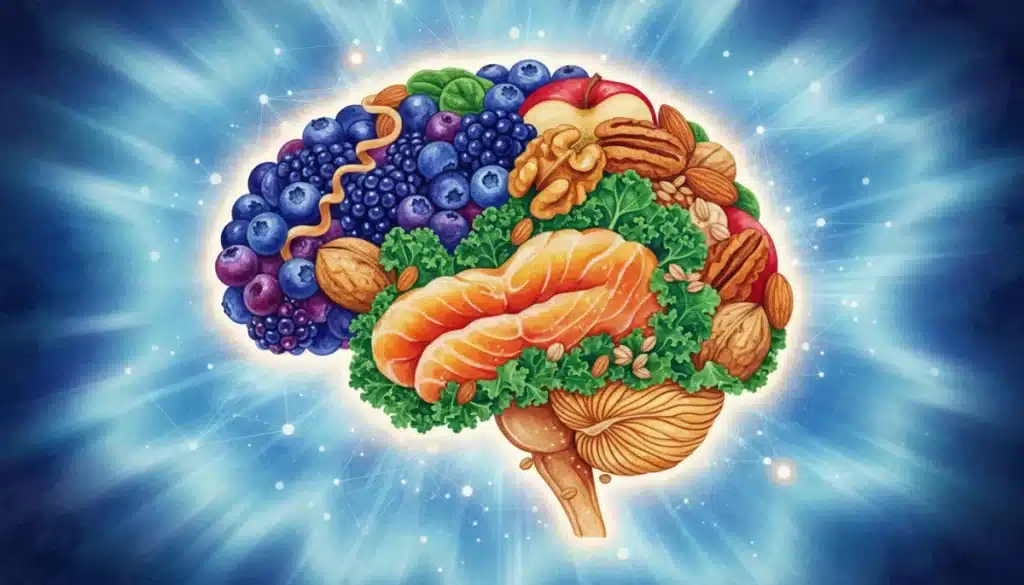
Achieving optimal mental clarity and cognitive function in 2026 for Americans hinges significantly on strategic dietary choices, emphasizing specific nutritional shifts to fuel the brain effectively.
Anúncios
In a world that constantly demands our attention and cognitive prowess, the quest for sustained focus and sharp thinking is more relevant than ever. For many Americans, understanding how to enhance brain function naturally has become a priority. This article delves into how nutrition for mental clarity can be a game-changer, outlining five transformative dietary shifts poised to significantly boost cognitive function in 2026.
The Gut-Brain Axis: A Foundation for Cognitive Health
The intricate connection between your gut and your brain, often referred to as the gut-brain axis, is far more influential than many realize. This bidirectional communication system plays a crucial role in regulating mood, stress response, and, importantly, cognitive function. What you eat directly impacts the health of your gut microbiome, which in turn affects your brain.
Anúncios
A balanced gut microbiome, rich in diverse beneficial bacteria, produces neurotransmitters and short-chain fatty acids that support brain health. Conversely, an imbalanced microbiome can lead to inflammation and oxidative stress, both detrimental to cognitive performance. Understanding this fundamental link is the first step toward optimizing your diet for mental clarity.
probiotics and prebiotics: nurturing your inner ecosystem
Incorporating probiotic-rich foods and prebiotics into your daily diet is essential for fostering a healthy gut microbiome. Probiotics introduce beneficial bacteria, while prebiotics act as food for these good bacteria, helping them thrive.
- Fermented foods: Yogurt, kefir, sauerkraut, kimchi, and kombucha are excellent sources of probiotics.
- Fiber-rich foods: Onions, garlic, leeks, asparagus, and oats provide prebiotics that feed gut bacteria.
- Balanced intake: Aim for a regular intake of both to maintain a robust gut environment.
By prioritizing gut health through these dietary choices, you lay a strong foundation for improved mental clarity and cognitive resilience. A thriving gut contributes to reduced inflammation and enhanced nutrient absorption, both vital for optimal brain function.
Shift 1: Embrace Omega-3 Fatty Acids for Brain Power
Omega-3 fatty acids, particularly EPA and DHA, are fundamental building blocks of brain cells and are critical for maintaining brain structure and function. These essential fats play a vital role in neuronal membrane fluidity, neurotransmitter function, and reducing inflammation, all of which are directly linked to cognitive performance and mental clarity.
Unfortunately, the typical American diet often lacks sufficient amounts of these crucial fatty acids, leading to potential deficiencies that can impact brain health. Increasing your intake of omega-3s is one of the most impactful dietary shifts you can make for your cognitive well-being.
sources of vital omega-3s
To effectively boost your omega-3 intake, consider incorporating a variety of sources into your weekly meal plans. While supplements can be an option, obtaining these nutrients from whole foods is generally preferred due to the synergistic benefits of other nutrients present.
- Fatty fish: Salmon, mackerel, sardines, and trout are rich in EPA and DHA. Aim for at least two servings per week.
- Flaxseeds and chia seeds: These plant-based sources provide ALA, which the body can convert into EPA and DHA, albeit less efficiently.
- Walnuts: Another excellent plant-based source of ALA, beneficial for overall brain health.
Regular consumption of omega-3 rich foods can lead to noticeable improvements in memory, focus, and overall mood. This dietary shift supports long-term brain health and can help protect against cognitive decline as we age.
Shift 2: Prioritize Antioxidant-Rich Foods to Combat Oxidative Stress
Oxidative stress, caused by an imbalance between free radicals and antioxidants in the body, can damage brain cells and contribute to cognitive decline. The brain is particularly vulnerable to oxidative damage due to its high metabolic rate and lipid content. Consuming a diet rich in antioxidants is a powerful strategy to protect your brain and enhance mental clarity.
Antioxidants neutralize harmful free radicals, preventing cellular damage and supporting optimal brain function. This dietary shift involves consciously increasing your intake of fruits, vegetables, and other plant-based foods that are packed with these protective compounds.
colorful plates for a brighter mind
Think vibrant colors when selecting your antioxidant sources. Each color often signifies a different array of beneficial compounds. A diverse intake ensures a broad spectrum of protection for your brain.
- Berries: Blueberries, strawberries, raspberries, and blackberries are exceptionally high in antioxidants like anthocyanins.
- Leafy greens: Spinach, kale, and collard greens provide vitamins C and E, along with other potent antioxidants.
- Dark chocolate: In moderation, dark chocolate (with a high cocoa content) offers flavonoids that improve blood flow to the brain.
By making antioxidant-rich foods a cornerstone of your diet, you actively shield your brain from damage, fostering an environment conducive to sustained mental clarity and improved cognitive performance.
Shift 3: Manage Blood Sugar for Stable Brain Energy
The brain relies heavily on a steady supply of glucose for energy. Fluctuations in blood sugar levels can lead to energy crashes, difficulty concentrating, and impaired cognitive function. A diet that helps stabilize blood sugar is crucial for maintaining consistent mental clarity and preventing cognitive fog.
This dietary shift focuses on reducing processed sugars and refined carbohydrates, which cause rapid spikes and drops in blood sugar, and instead favoring complex carbohydrates and foods that release glucose slowly and steadily. This approach ensures a stable energy supply for your brain throughout the day.

Controlling blood sugar isn’t just about avoiding sweets; it’s about making smart choices across all meals to support sustained cognitive function. This is a crucial aspect of sustained nutrition for mental clarity.
balancing your glycemic load
To effectively manage blood sugar, consider the glycemic index and load of the foods you consume. Opt for whole, unprocessed options that provide fiber, which slows down sugar absorption.
- Whole grains: Brown rice, quinoa, and whole-wheat bread offer complex carbohydrates and fiber.
- Legumes: Beans, lentils, and chickpeas are excellent sources of fiber and protein, contributing to stable blood sugar.
- Lean proteins and healthy fats: Pair carbohydrates with proteins and fats to further slow glucose absorption and maintain satiety.
By consciously managing your blood sugar levels through these dietary adjustments, you provide your brain with the consistent energy it needs to perform at its best, leading to enhanced focus and reduced mental fatigue.
Shift 4: Optimize Hydration for Cognitive Performance
Water constitutes a significant portion of our brain tissue and is absolutely essential for optimal brain function. Even mild dehydration can impair cognitive performance, leading to reduced concentration, poor memory, and increased fatigue. This often-overlooked dietary shift emphasizes the critical role of adequate hydration in maintaining mental clarity.
Staying well-hydrated ensures efficient nutrient delivery to the brain, proper waste removal, and optimal electrical signaling between neurons. It’s a simple yet profoundly effective step toward boosting your cognitive function.
the power of plain water
While various beverages exist, plain water remains the best choice for hydration. Sugary drinks or excessive caffeine can counteract the benefits of hydration, so focus on pure, clean water.
- Consistent intake: Aim to drink water steadily throughout the day, rather than large amounts all at once.
- Listen to your body: Thirst is a late indicator of dehydration; try to drink before you feel thirsty.
- Water-rich foods: Fruits and vegetables like cucumber, watermelon, and oranges contribute to your daily fluid intake.
Making conscious efforts to optimize your hydration is a straightforward yet powerful way to support all aspects of brain health, from mood regulation to sharp decision-making, significantly contributing to nutrition for mental clarity.
Shift 5: Incorporate Adaptogens and Nootropics Mindfully
As we look to 2026, the scientific understanding of adaptogens and nootropics continues to evolve, offering promising avenues for enhancing cognitive function. Adaptogens are natural substances that help the body adapt to stress, while nootropics are compounds that can improve cognitive functions like memory, creativity, and motivation. Incorporating these mindfully can be a powerful dietary shift.
While not strictly ‘foods’ in the traditional sense, certain adaptogenic herbs and nootropic supplements can be integrated into a holistic dietary approach to support mental clarity. It’s crucial to approach these with research and, ideally, professional guidance.
smart choices for cognitive enhancement
When considering adaptogens and nootropics, prioritize well-researched options and always start with low doses. Quality and sourcing are paramount for safety and effectiveness.
- Rhodiola rosea: An adaptogen known to help reduce fatigue and improve focus under stress.
- L-Theanine: Found in green tea, this nootropic promotes relaxation without drowsiness and enhances alertness.
- Bacopa Monnieri: An herb traditionally used to improve memory and cognitive processing.
Integrating these carefully can provide an additional layer of support for your cognitive health, complementing the foundational dietary shifts discussed earlier. Always consult with a healthcare professional before adding new supplements to your routine.
| Key Dietary Shift | Cognitive Benefit |
|---|---|
| Embrace Omega-3s | Improves memory, focus, and reduces brain inflammation. |
| Antioxidant-Rich Foods | Protects brain cells from oxidative damage, enhancing clarity. |
| Manage Blood Sugar | Ensures stable brain energy, preventing mental fog and crashes. |
| Optimize Hydration | Supports efficient brain signaling and nutrient delivery, boosting focus. |
Frequently Asked Questions About Nutrition and Mental Clarity
Foods rich in omega-3 fatty acids like salmon, blueberries for antioxidants, leafy greens, and whole grains are excellent for memory and focus. These provide essential nutrients and stable energy for optimal brain function, directly contributing to better cognitive performance.
While some benefits like improved energy from stable blood sugar can be felt within days, significant cognitive improvements, such as enhanced memory or sustained focus, often take several weeks to months of consistent dietary changes. Patience and consistency are key for lasting results.
Yes, minimizing highly processed foods, excessive added sugars, trans fats, and refined carbohydrates is crucial. These can contribute to inflammation and blood sugar instability, negatively impacting cognitive function and potentially hindering mental clarity and focus over time.
Supplements can complement a healthy diet but cannot fully replace it. Whole foods offer a complex array of nutrients, fiber, and phytochemicals that work synergistically for brain health. Supplements should be seen as a supportive measure, not a primary solution, for optimal nutrition for mental clarity.
Gut health is foundational for cognitive function through the gut-brain axis. A balanced gut microbiome produces neurotransmitters and reduces inflammation, directly influencing mood, stress response, and mental clarity. Prioritizing gut-healthy foods is vital for supporting overall brain performance.
Conclusion
The journey toward enhanced mental clarity and optimal cognitive function in 2026 is deeply intertwined with the dietary choices we make today. By embracing these five strategic shifts—prioritizing omega-3s, consuming antioxidant-rich foods, managing blood sugar, optimizing hydration, and mindfully incorporating adaptogens and nootropics—Americans can unlock their brain’s full potential. These changes are not merely about avoiding illness but about proactively fostering a vibrant, resilient mind capable of navigating the complexities of modern life with focus and sharpness. Adopting a holistic approach to nutrition for mental clarity is an investment in your long-term well-being and cognitive performance, empowering you to thrive.