Environmental Toxins & Holistic Well-being: Mitigate Risks in 2026

Anúncios
The impact of environmental toxins on holistic well-being necessitates Americans adopting proactive strategies to mitigate health risks and enhance overall health in 2026.
Anúncios
The modern world, while offering unparalleled conveniences, also presents a complex array of challenges, particularly concerning our health. One of the most pervasive yet often overlooked threats is the profound impact of environmental toxins on holistic well-being. For Americans looking to safeguard their health in 2026, understanding these risks and implementing proactive strategies is not just beneficial, but essential.
Understanding the pervasive nature of environmental toxins
Environmental toxins are ubiquitous, found in the air we breathe, the water we drink, the food we eat, and the products we use daily. These substances, ranging from heavy metals and pesticides to plastics and industrial chemicals, can silently undermine our health over time, contributing to a myriad of chronic conditions. Recognizing their widespread presence is the first step toward effective mitigation.
Defining environmental toxins and their sources
Anúncios
Environmental toxins encompass a broad category of harmful substances present in our surroundings. These can be naturally occurring, like certain heavy metals, or synthetic, such as persistent organic pollutants (POPs) and phthalates. Their sources are diverse and often intertwined with modern industrial and agricultural practices.
- Air pollution: Vehicle exhaust, industrial emissions, and indoor air contaminants like volatile organic compounds (VOCs) from building materials and cleaning products.
- Water contamination: Lead from old pipes, agricultural runoff containing pesticides and fertilizers, and pharmaceutical residues in public water systems.
- Food chain: Pesticide residues on produce, hormones and antibiotics in animal products, and microplastics ingested through seafood.
- Household products: Phthalates in plastics, parabens in cosmetics, flame retardants in furniture, and harsh chemicals in cleaning supplies.
The silent assault on our systems
Many environmental toxins are endocrine disruptors, mimicking or blocking hormones, which can lead to reproductive issues, metabolic disorders, and even certain cancers. Others are neurotoxins, affecting brain development and function, or carcinogens, directly promoting cancer growth. The cumulative effect, often referred to as the ‘body burden,’ can overwhelm our natural detoxification pathways, leading to chronic inflammation, oxidative stress, and impaired immune function. This constant exposure makes understanding the impact of environmental toxins holistic well-being a critical area of focus for Americans.
The insidious nature of these toxins lies in their ability to accumulate in our bodies over decades, often without immediate, noticeable symptoms. This long-term exposure can subtly shift our physiological balance, making us more susceptible to illness and reducing our overall vitality. Therefore, a comprehensive approach to health must include strategies to minimize this exposure and support the body’s innate ability to cleanse itself.
In conclusion, environmental toxins are not a distant threat but an integral part of our daily lives. Their pervasive nature and diverse sources demand a proactive and informed approach to protect our health and well-being. Understanding their impact is the foundational step in developing effective mitigation strategies for 2026.
Strategy 1: Enhancing indoor air and water quality
Given that Americans spend a significant portion of their lives indoors, improving the quality of the air we breathe and the water we drink is paramount. Indoor environments can often be more polluted than outdoor air, and tap water, while generally safe, can still contain undesirable contaminants. Focusing on these two areas offers substantial benefits for reducing our overall toxic load.
Improving indoor air quality
Indoor air pollution can stem from various sources, including building materials, furniture, cleaning products, and even personal care items. Addressing these sources can significantly reduce exposure to harmful volatile organic compounds (VOCs), particulate matter, and allergens.
- Ventilation: Regularly open windows and doors to allow fresh air circulation. Consider using exhaust fans in kitchens and bathrooms to remove moisture and pollutants.
- Air purifiers: Invest in high-efficiency particulate air (HEPA) filters for your home, especially in bedrooms and living areas. Activated carbon filters can help remove gases and odors.
- Non-toxic products: Opt for cleaning supplies, paints, and furniture made with low-VOC or non-toxic ingredients. Choose natural fibers for carpets and upholstery.
- Plants: Certain houseplants, such as spider plants and peace lilies, can help filter indoor air, though their impact is relatively minor compared to mechanical purifiers.
Ensuring clean drinking water
While municipal water systems are regulated, concerns about lead, chlorine byproducts, and emerging contaminants like PFAS (per- and polyfluoroalkyl substances) persist. Filtering your water can provide an extra layer of protection.
- Water filters: Install a high-quality water filter for your tap or shower. Options include activated carbon filters, reverse osmosis systems, and whole-house filtration systems.
- Test your water: Consider having your tap water tested, especially if you live in an older home or have concerns about local industrial activity.
- Avoid plastic bottles: Reduce reliance on single-use plastic water bottles, which can leach phthalates and other chemicals into the water, especially when exposed to heat.
By proactively managing indoor air and water quality, individuals can significantly reduce their exposure to environmental toxins, thereby supporting their holistic well-being. These tangible steps contribute directly to a healthier living environment and reinforce the strategies for Americans to mitigate risks in 2026.
Strategy 2: Adopting a clean and organic diet
Our diet is a primary pathway for environmental toxin exposure, but it also offers a powerful opportunity for mitigation. What we choose to eat can either add to our body’s toxic burden or provide the necessary nutrients to support detoxification and repair. Embracing a clean and organic diet is a cornerstone of protecting against the impact of environmental toxins on holistic well-being.
Minimizing pesticide and herbicide exposure
Conventionally grown produce often contains residues of pesticides and herbicides, which can act as endocrine disruptors and neurotoxins. Opting for organic alternatives can significantly reduce this exposure.
- Prioritize organic: Focus on buying organic versions of the ‘Dirty Dozen’—fruits and vegetables with the highest pesticide residues.
- Wash produce thoroughly: Even organic produce benefits from thorough washing to remove surface contaminants.
- Grow your own: Consider starting a home garden to have direct control over what goes into your food.
Choosing clean animal products and avoiding processed foods
Animal products can contain hormones, antibiotics, and other contaminants depending on farming practices. Processed foods, on the other hand, are often laden with artificial additives, preservatives, and unhealthy fats that contribute to inflammation and metabolic dysfunction.
- Grass-fed and pasture-raised: Opt for grass-fed beef, pasture-raised poultry, and wild-caught fish to minimize exposure to antibiotics, hormones, and industrial feed contaminants.
- Limit processed foods: Reduce consumption of packaged snacks, sugary drinks, and fast food. Focus on whole, unprocessed ingredients.
- Read labels: Become an informed consumer by reading ingredient labels and avoiding products with artificial colors, flavors, sweeteners, and hydrogenated oils.
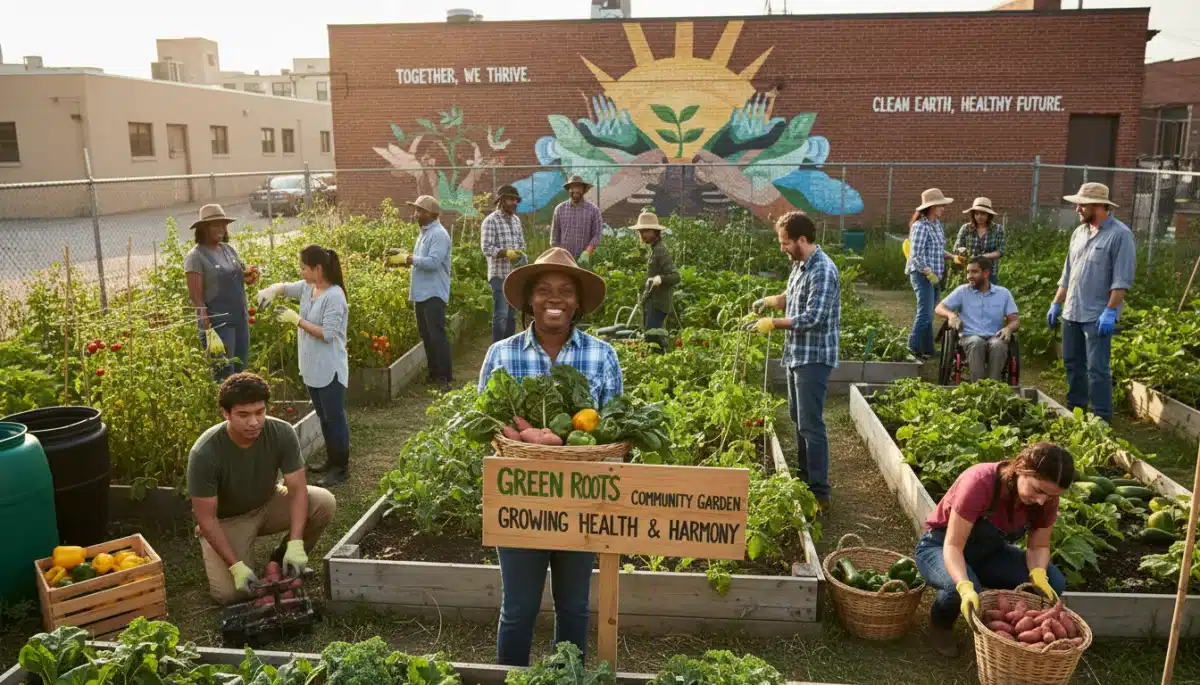
By making conscious dietary choices, Americans can dramatically reduce their intake of environmental toxins, bolstering their body’s natural defenses and promoting overall vitality. This strategy is crucial for mitigating health risks in 2026 and fostering long-term holistic well-being.
Strategy 3: Supporting natural detoxification pathways
Even with diligent efforts to reduce exposure, some environmental toxins are inevitable. Fortunately, our bodies possess sophisticated detoxification systems, primarily involving the liver, kidneys, skin, and lungs. Supporting these natural pathways is a vital strategy for Americans to mitigate the impact of environmental toxins on holistic well-being.
Nutritional support for the liver
The liver is the body’s primary detoxification organ, processing toxins into less harmful substances for elimination. Providing it with the right nutrients is crucial for optimal function.
- Cruciferous vegetables: Broccoli, cauliflower, kale, and Brussels sprouts contain compounds like sulforaphane that enhance liver detoxification enzymes.
- Antioxidant-rich foods: Berries, citrus fruits, and leafy greens provide antioxidants that protect liver cells from damage during detoxification.
- Herbs and spices: Turmeric, milk thistle, and dandelion root are known for their liver-supporting properties.
Hydration and fiber for elimination
Adequate hydration and fiber intake are essential for the efficient elimination of toxins through the kidneys and bowels.
- Water intake: Drink plenty of filtered water throughout the day to support kidney function and facilitate waste removal.
- Dietary fiber: Include a variety of fiber-rich foods like whole grains, legumes, fruits, and vegetables to promote regular bowel movements and prevent reabsorption of toxins.
Movement and sweating
Physical activity and sweating are simple yet effective ways to aid detoxification through the skin and lymphatic system.
- Regular exercise: Engage in moderate exercise to improve circulation, lymphatic flow, and overall metabolic health.
- Sauna or steam baths: Consider incorporating sauna sessions to promote sweating, which can help eliminate heavy metals and other toxins through the skin.
By actively supporting these natural detoxification pathways, individuals can enhance their body’s resilience against environmental toxins, ensuring a more effective response to constant exposure. This proactive approach is fundamental for maintaining holistic well-being in 2026.
Strategy 4: Mindful consumption and lifestyle choices
Beyond diet and direct environmental controls, our daily consumption habits and overall lifestyle choices play a significant role in our exposure to environmental toxins. Adopting a more mindful approach can dramatically reduce our toxic load and contribute positively to our holistic well-being. This strategy emphasizes conscious decisions in purchasing and daily routines.
Choosing safer personal care and household products
Many everyday products, from shampoo to laundry detergent, contain chemicals that can be absorbed through the skin or inhaled. Making informed choices can significantly lower exposure.
- Read labels: Look for products free of parabens, phthalates, sulfates, and synthetic fragrances. Certifications from reputable organizations can guide choices.
- DIY alternatives: Consider making your own cleaning products using natural ingredients like vinegar, baking soda, and essential oils.
- Minimalist approach: Reduce the number of products you use. Less is often more when it comes to chemical exposure.
Reducing plastic use
Plastics, particularly those containing BPA and phthalates, are a significant source of endocrine-disrupting chemicals. Minimizing plastic contact with food and beverages is crucial.
- Glass and stainless steel: Store food in glass containers, use stainless steel water bottles, and opt for ceramic or glass cookware.
- Avoid heating food in plastic: Never microwave food in plastic containers, as heat can accelerate the leaching of chemicals.
- Reusable bags: Carry reusable shopping bags to reduce reliance on single-use plastic bags.
Sustainable and conscious living
Beyond individual products, a broader commitment to sustainable living can reduce the overall environmental burden and, consequently, our exposure to toxins.
- Support ethical brands: Choose companies committed to environmentally friendly manufacturing processes and transparency in their ingredients.
- Reduce, reuse, recycle: Embrace these principles to minimize waste and the demand for new products, which often involve toxic production processes.
- Community engagement: Advocate for policies that promote environmental protection and reduce pollution in your local community.
By integrating mindful consumption and sustainable lifestyle choices, Americans can not only protect their individual holistic well-being but also contribute to a healthier planet. These strategies are essential for navigating the challenges of environmental toxins in 2026 and beyond.
The long-term benefits of a low-toxin lifestyle
Embracing a lifestyle focused on reducing exposure to environmental toxins and supporting natural detoxification offers far-reaching benefits that extend beyond immediate health improvements. This proactive approach to holistic well-being can lead to enhanced vitality, reduced risk of chronic diseases, and a greater sense of overall well-being. The cumulative effect of these strategies provides a robust defense against modern environmental challenges.
Enhanced energy and mental clarity
When the body is less burdened by toxins, its systems can function more efficiently. This often translates to improved energy levels, better sleep quality, and enhanced mental clarity. Chronic fatigue and ‘brain fog,’ often subtle indicators of toxic overload, can diminish as the body’s detoxification pathways become more effective. A cleaner internal environment allows for optimal cellular function, leading to a noticeable improvement in daily cognitive performance and sustained energy throughout the day.
Reduced risk of chronic diseases
Many environmental toxins are implicated in the development of chronic conditions such as autoimmune disorders, cardiovascular disease, metabolic syndrome, and various cancers. By minimizing exposure and supporting detoxification, individuals can significantly lower their risk factors for these debilitating illnesses. This preventive approach is a cornerstone of long-term health and reduces the reliance on reactive medical interventions. The focus on reducing the impact of environmental toxins on holistic well-being directly contributes to a healthier future.
Improved immune function and resilience
A body constantly battling toxins can have a compromised immune system, making it more susceptible to infections and illnesses. A low-toxin lifestyle strengthens immune responses, making the body more resilient to external threats and promoting faster recovery. This enhanced immune function is crucial for maintaining health in an increasingly complex world. It also helps in managing inflammatory responses, which are often exacerbated by toxic exposure.
Ultimately, the commitment to a low-toxin lifestyle is an investment in one’s long-term health and quality of life. It empowers individuals to take control of their well-being, fostering a deeper connection with their bodies and the environment. These benefits underscore the importance of the strategies for Americans to mitigate risks in 2026.
Looking ahead: collective action and policy in 2026
While individual actions are powerful, addressing the widespread impact of environmental toxins on holistic well-being also requires collective action and robust policy changes. As we look towards 2026 and beyond, advocating for stricter regulations, promoting sustainable practices, and fostering community awareness will be crucial in creating a healthier environment for all Americans. This involves a multi-faceted approach that extends beyond personal choices to broader societal shifts.
Advocacy for stronger regulations
Governmental bodies and regulatory agencies play a critical role in controlling the release of industrial pollutants, pesticides, and other harmful chemicals into our environment. Americans can contribute by supporting organizations that advocate for stronger environmental protection laws, stricter enforcement, and increased transparency from industries. This includes pushing for updated chemical safety assessments and bans on known harmful substances. Active participation in local and national environmental movements can amplify these calls for change.
Promoting sustainable industry practices
Encouraging businesses to adopt sustainable manufacturing processes, reduce waste, and develop non-toxic alternatives is another vital component. Consumers can influence this by supporting companies with strong environmental records and demanding more eco-friendly options. Investment in green technologies and renewable energy sources also contributes significantly to reducing overall pollution. This shift towards sustainability benefits both the environment and public health, reducing the overall impact of environmental toxins on holistic well-being.
Fostering community awareness and education
Education is a powerful tool in combating environmental toxins. Raising public awareness about the sources of toxins, their health impacts, and practical mitigation strategies empowers communities to make informed decisions and demand change. Workshops, public health campaigns, and accessible information can help individuals understand the risks and adopt healthier habits. Schools can also play a role in educating future generations about environmental stewardship and healthy living. Sharing knowledge within communities builds a collective resilience against these pervasive threats.
By engaging in collective action and advocating for policy changes, Americans can work towards a future where the burden of environmental toxins is significantly reduced. This collaborative effort, combined with individual strategies, will be instrumental in safeguarding holistic well-being in 2026 and for generations to come, creating a healthier and more sustainable society.
| Key Strategy | Brief Description |
|---|---|
| Air & Water Quality | Improve indoor air with purifiers and ventilation; filter drinking water to remove contaminants. |
| Clean & Organic Diet | Prioritize organic produce, grass-fed meats, and whole foods to reduce pesticide and additive intake. |
| Detoxification Support | Support liver function with nutrient-rich foods, stay hydrated, and engage in regular exercise to aid toxin elimination. |
| Mindful Consumption | Choose non-toxic personal care and household products; minimize plastic use in daily life. |
Frequently asked questions about environmental toxins and well-being
Common environmental toxins include heavy metals like lead and mercury, pesticides, phthalates found in plastics, parabens in cosmetics, and volatile organic compounds (VOCs) from household products. These are often present in air, water, food, and everyday consumer goods, making widespread exposure a concern for holistic well-being.
Environmental toxins can disrupt hormonal balance, impair neurological function, and contribute to chronic inflammation and oxidative stress. This can manifest as fatigue, brain fog, increased susceptibility to illness, and a higher risk of chronic diseases, collectively undermining overall physical and mental health. The impact on environmental toxins holistic well-being is profound.
Simple changes include improving ventilation, using air and water filters, opting for non-toxic cleaning and personal care products, and reducing plastic use for food storage and heating. These steps significantly decrease indoor air pollution and chemical leaching, contributing to a healthier home environment.
Yes, an organic diet is highly effective. It significantly reduces exposure to synthetic pesticides, herbicides, and genetically modified organisms often found in conventional produce. Choosing organic, grass-fed, and wild-caught options also minimizes intake of hormones and antibiotics, supporting the body’s natural detoxification processes and overall health.
Community action is vital for broader change. Advocating for stronger environmental regulations, supporting sustainable businesses, and raising public awareness can lead to systemic improvements. Collective efforts can pressure industries to adopt greener practices and governments to implement policies that protect public health from widespread environmental contamination, benefiting everyone.
Conclusion
The journey to mitigate the impact of environmental toxins on holistic well-being is a dynamic and ongoing process, demanding both individual vigilance and collective action. By adopting the four strategies outlined—enhancing air and water quality, embracing a clean diet, supporting natural detoxification, and making mindful consumption choices—Americans can significantly reduce their toxic burden and foster a more resilient, healthier future in 2026 and beyond. This comprehensive approach empowers individuals to take control of their health, contributing to a broader movement towards a cleaner, more sustainable world for all.